



Brain haemorrhage
This section explains the causes and symptoms of a brain haemorrhage as well as outlining the long-term effects and support options that are available.
In this section:
- What is a brain haemorrhage?
- What are the types and causes of a brain haemorrhage?
- What are the effects of a brain haemorrhage?
- Get support from Headway
What is a brain haemorrhage?
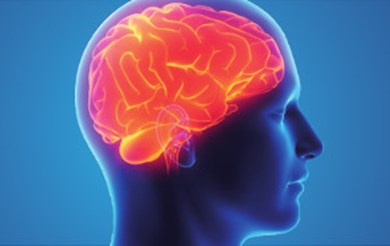
A brain haemorrhage is bleeding in or around the brain either as a result of ruptured aneurysm or following a significant blow to the head. It is also often called a haemorrhagic stroke or brain bleed.
What are the types and causes of a brain haemorrhage?
There are four types of haemorrhage, named according to where the bleeding occurs. These are:
- Subdural haemorrhage
- Extradural haemorrhage
Subdural and extradural haemorrhages are the most common type after TBI, and they are a cause of further brain damage that can lead to more long-term effects.
- Subarachnoid haemorrhage
- Intracerebral haemorrhage.
Subarachnoid and intracerebral haemorrhages are more likely to happen spontaneously. Small blood vessels rupture, often causing loss of consciousness.
Sometimes a brain haemorrhage can occur after a seemingly minor head injury. Symptoms can develop rapidly or can take a number of weeks to develop, and urgent investigation and treatment is required.
What are the effects of a brain haemorrhage?
The long-term effects of a brain haemorrhage depend on the type and location, but as with all brain injuries, every person's recovery is individual. You can read more about the long-term effects of a brain haemorrhage in the effects of brain injury section.
Get support from Headway
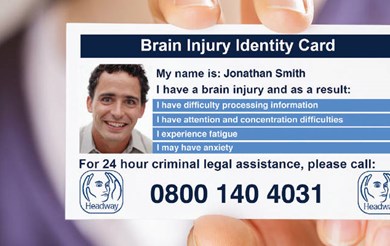
Headway offers a range of support to people with a brain injury, their family and friends. From a network of local groups and branches to specialist nurses, grants to individuals in need, a Brain Injury Identity Card and a nurse-led helpline.
Explore the Supporting you section to find out how we can help.
My story
"The road to recovery is not a linear process"
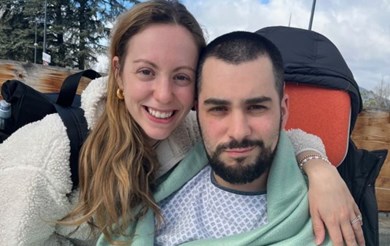
On Valentine's Day in 2012, Amy Perring met rugby journalist Will Wood, from Gloucestershire, while on holiday in Dublin and their love quickly blossomed. Little did the couple know their relationship would soon be put to the test just one year later when Will suffered a near-fatal brain injury that changed the course of their future in an instant.
Read storyStroke
A stroke is an emergency condition in which there is a disruption of blood supply to part of the brain, leading to brain injury.
Find out moreBrain aneurysm
A brain or cerebral aneurysm occurs when the wall of an artery or blood vessel in the brain is weakened, causing it to swell into a blister-like shape
Find out more