







Encephalitis
What is Encephalitis?
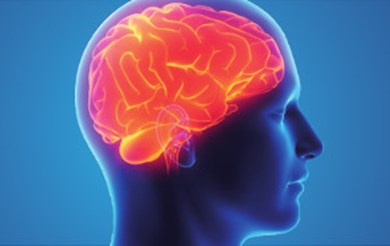
Encephalitis is an inflammation of the brain, most often caused by infections.
What are the causes of Encephalitis?
In the UK, the cause in over 50% of cases is unknown, despite extensive testing. Where the cause is identified, it is most likely to be the Herpes-Simplex virus, but there are a number of other viruses or bacteria that can cause encephalitis.
How is Encephalitis diagnosed?
Encephalitis resulting from Herpes-Simplex virus can be treated quite effectively with an anti-viral drug, but early diagnosis is important to reduce the long-term damage.
How is Encephalitis treated?
At present, there are few effective treatments for encephalitis causes by different viruses, and care mainly focuses on support and symptom management.
Do people recover after Encephalitis?
In many cases, people will make a good recovery from encephalitis, but nerve cells in the brain may be damaged. This can lead to long-term effects, which are sometimes severe.
What are the effects of Encephalitis?
You can read more about the symptoms of Encephalitis in the effects of brain injury section. Most Headway groups and branches can offer support to people with Encephalitis, their family and carers.
Get support from Headway
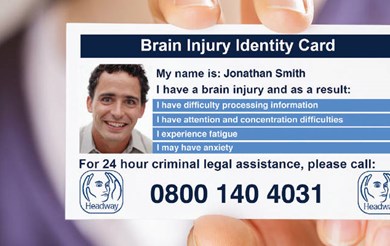
Headway offers a range of support to people with a brain injury, their family and friends. From a network of local groups and branches to specialist nurses, grants to individuals in need, a Brain Injury Identity Card and a nurse-led helpline.
Explore the Supporting you section to find out how we can help.
My story
Alison Winterburn
"I know I can no longer live the life I had before brain injury, but I'm fighting so hard to build a worthwhile new one."
Read storyRehabilitation and continuing care
Find out moreIn your area
Find brain injury support in your area by searching our directory of local Headway groups and branches, specialist solicitors, approved care providers and charity shops.
Find out more